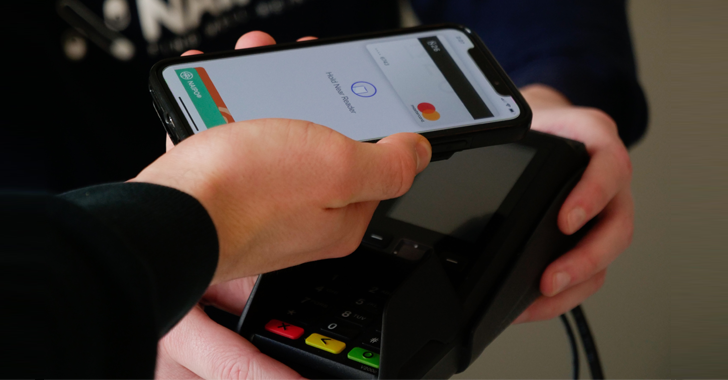
The Prilex PoS (Point of Sale) malware has evolved to block contactless payments in an effort to steal from NFC (Near Field Communication) cards. This new technique allows the malware to bypass the security measures that are in place to protect contactless payments, making it a significant threat to businesses and consumers alike.
Prilex is a highly sophisticated form of PoS malware that is designed to steal payment card information from infected systems. It is typically spread through phishing scams, infected software downloads, and other malicious tactics.
The new variant of Prilex blocks contactless payments by altering the information that is sent from the infected PoS terminal to the payment card, effectively tricking the card into thinking that a contactless payment has not been made. This allows the malware to steal the payment information that is stored on the NFC card, making it a significant threat to businesses that accept contactless payments.
To prevent this type of attack, businesses must take steps to secure their PoS systems and networks, and must educate their employees on how to identify and prevent malware infections. This includes regularly updating software and security controls, implementing firewalls and anti-virus software, and monitoring their systems for signs of unusual activity.
Consumers should also be cautious when using contactless payments, and should consider using multi-factor authentication or alternative payment methods where possible.
The evolution of the Prilex PoS malware highlights the need for businesses and consumers alike to be vigilant in protecting their sensitive financial information. The consequences of a successful attack can be devastating, so it is essential that organizations take action to reduce their risk.
Comments
Post a Comment