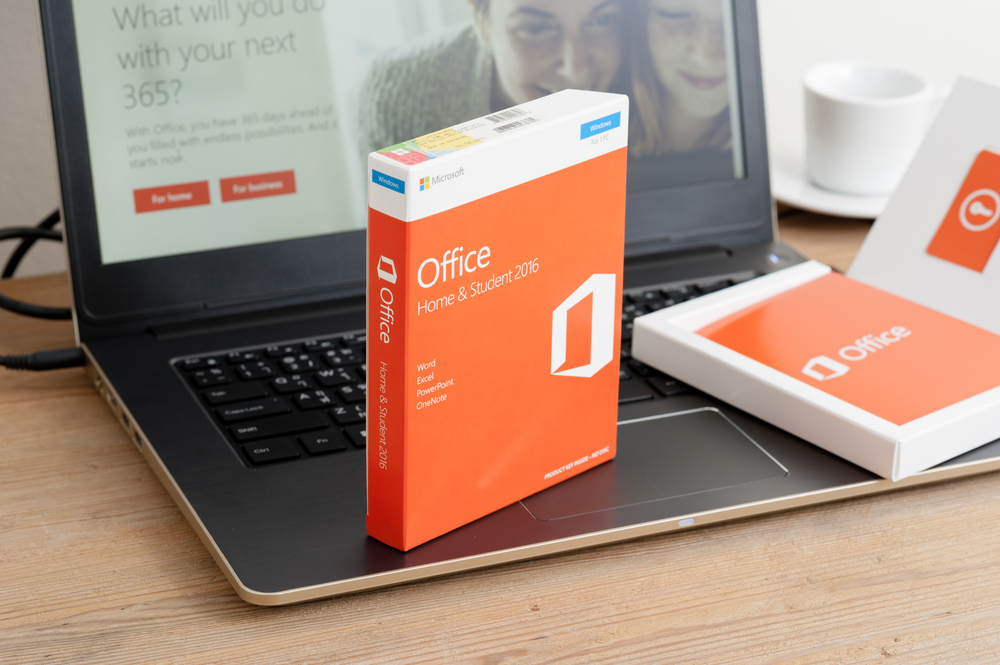
Microsoft OneNote is a popular note-taking application that allows users to create and share notes, documents, and other multimedia content. Unfortunately, it can also be used as a vector for distributing malware and remote access trojans (RATs). Cybercriminals often use malicious OneNote attachments to spread RATs and other types of malware, typically by disguising the malware as a legitimate file and tricking users into downloading and executing it.
These malicious attachments can come in various forms, such as Word documents, PDFs, or executable files. They often contain malware payloads that can be used to steal sensitive information, gain unauthorized access to a user's device, or launch other types of cyberattacks.
To protect against malicious OneNote attachments, users should exercise caution when opening attachments from untrusted sources, and should use anti-virus software to scan any files before opening them. Additionally, users should be wary of any suspicious or unexpected messages, and should not click on any links or download any files from untrusted sources.
It is also recommended to keep the software updated and use the latest version of OneNote, as Microsoft is always working on improving the security of the application and fixing vulnerabilities.
In summary, malicious OneNote attachments are a common way for cybercriminals to spread malware and RATs. To protect against these threats, users should be cautious when opening attachments from untrusted sources, use anti-virus software, and keep their software updated.
Comments
Post a Comment